Book Appointment Now
ICBC Treatment in Vancouver
For over 40 years, our clinic has been a downtown staple built on trust, care, and results. Since 1982, we have welcomed patients from all walks of life through our doors. We are more than just a clinic — we are a part of this community..

Injured in a Car Accident? We Can Help.
Being involved in a vehicle accident is a stressful and often painful experience. Whether you were a driver, passenger, or pedestrian, injuries sustained in a motor vehicle accident can have a significant impact on your daily life. The good news is that if you’ve been injured in an accident in British Columbia, your physiotherapy treatment may be fully covered by ICBC, and you don’t need a doctor’s referral to get started.
At Burrard Physiotherapy in downtown Vancouver, our experienced team is here to help you recover as quickly and completely as possible.
How to Access ICBC Physiotherapy Coverage
Getting started with ICBC-covered physiotherapy is straightforward:
- Make a claim with ICBC as soon as possible after your accident. You can do this by phone, online at icbc.com, or in person at an ICBC claim centre.
- Receive your claim number. You’ll need this to begin covered treatment at our clinic.
- Book your physiotherapy appointment. No doctor’s referral is required, though we strongly recommend seeing your physician as soon as possible after an accident to document your injuries and support your recovery plan.
- Begin treatment right away. In most cases, starting physiotherapy immediately after an accident leads to faster recovery and better long-term outcomes.
If you have any questions about the claims process, our front desk team is happy to help guide you through it.
Why Early Treatment Matters
One of the most important things you can do after a motor vehicle accident is seek treatment promptly. Delaying physiotherapy, even by a few days or weeks, can allow injuries to stiffen, compensatory movement patterns to set in, and symptoms to become more entrenched and difficult to treat.
At your initial assessment, your physiotherapist will conduct a thorough evaluation of your injuries, explain what has happened to your body in plain language, and develop a personalized treatment plan. You’ll receive clear guidance on how and when to move, what activities to modify or avoid, and how to gradually return to work, driving, and recreational activities safely.
The goal is always the same: to settle your symptoms as quickly as possible and get you back to your life.
Understanding Soft Tissue Injuries
The majority of injuries sustained in motor vehicle accidents are classified as soft tissue injuries. This term refers to trauma affecting the musculoskeletal system, everything except fractures, including:
- Muscles
- Tendons and ligaments
- Connective tissue
- Joints and joint capsules
- Vertebral discs
- Nerves
These structures work together to give your body stability and movement. When they are damaged, even seemingly minor accidents can result in significant pain, stiffness, restricted movement, and neurological symptoms like tingling or numbness.
Soft tissue injuries are not always immediately apparent. It is common for symptoms to peak 24 to 72 hours after an accident, which is another reason why early assessment is so important even if you feel relatively okay right after the collision.
Whiplash and WAD Injuries
Whiplash is one of the most common injuries resulting from rear-end and side-impact collisions. In British Columbia, whiplash injuries are classified using the WAD (Whiplash Associated Disorders) grading system:
- WAD 1: Neck pain, stiffness, or tenderness with no physical signs on examination
- WAD 2: Neck pain with musculoskeletal signs such as reduced range of motion and localized tenderness
- WAD 3: Neck pain with neurological signs such as weakness, numbness, or altered reflexes
- WAD 4: Neck pain associated with fracture or dislocation
The majority of whiplash injuries fall into the WAD 1 or WAD 2 categories. While these are considered less severe, they still require proper assessment and treatment. It is important not to attempt to self-manage a whiplash injury before being assessed by a physiotherapist, as the wrong movements or exercises at the wrong time can slow your recovery or worsen your symptoms.
Our team will assess your WAD grade, explain what it means for your recovery, and ensure your treatment plan is appropriate for your specific injury from day one.
What ICBC Physiotherapy Treatment Looks Like
Depending on the nature and severity of your injuries, your treatment at Burrard Physiotherapy may include:
- Manual therapy to restore joint mobility and reduce pain
- Soft tissue release and massage to address muscle tension and spasm
- Therapeutic exercise to rebuild strength, stability, and range of motion
- Postural and movement retraining
- Acupuncture or Gunn IMS for pain management
- Education and self-management strategies for home care
- Progress reporting and communication with ICBC as required
We work closely with ICBC’s processes and documentation requirements so you can focus entirely on getting better.
ICBC Physiotherapy at Burrard Physiotherapy, Downtown Vancouver
Our clinic is centrally located in downtown Vancouver, making us accessible to patients throughout the city and surrounding areas. If you have been injured in a motor vehicle accident and are ready to start your recovery, we’re here for you.
Book an ICBC Treatment
We believe in clear, honest pricing. Below is a full breakdown of our service fees so you always know what to expect. No hidden costs, no surprises.

Kevin Chen

Kerry Maxwell

Shahab Rezania
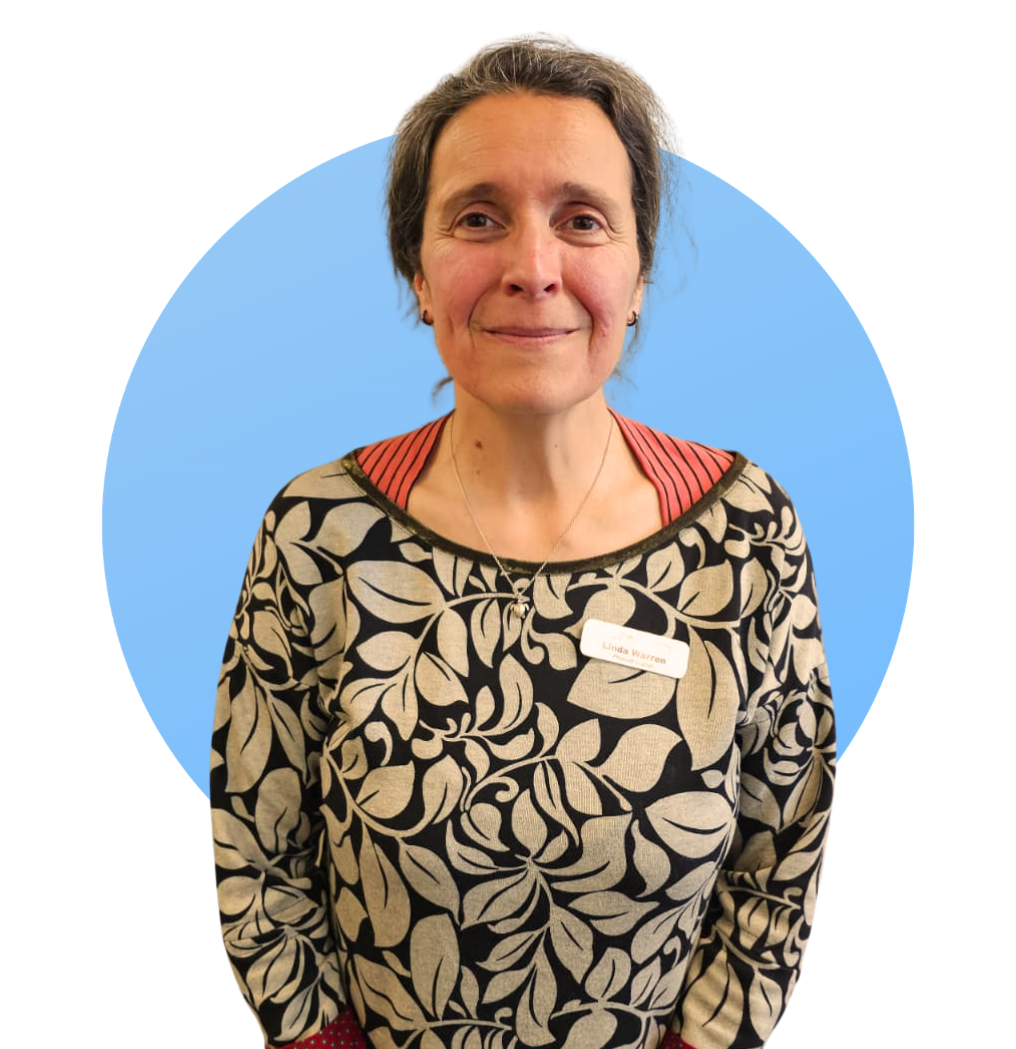
Linda Warren

Alice Podmore

Matt Godbeer

Farhana Abdul Kadir

Gemma Greig